Source portable 3 tier wooden wine rack for events, bars, and homes
Compare 30 listings for a portable 3 tier wooden wine rack designed for parties, bars, and home storage. Buyers can evaluate options featuring oak or pine materials, customized sizes, and contemporary designs from suppliers in China.
Key considerations
Products List
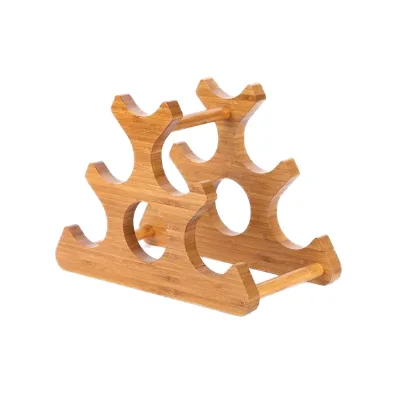


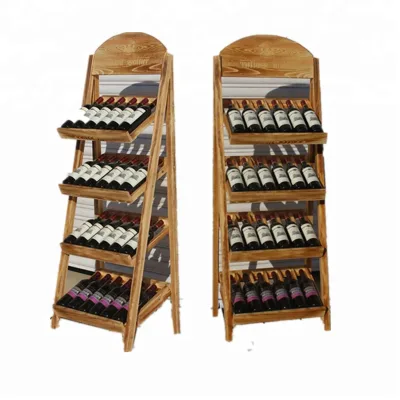
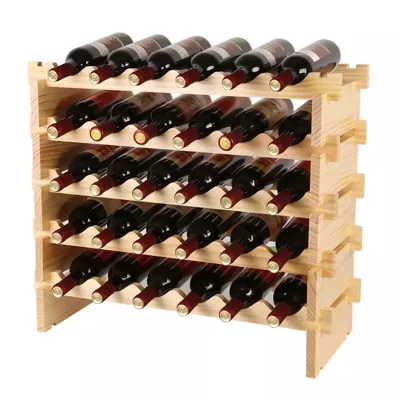
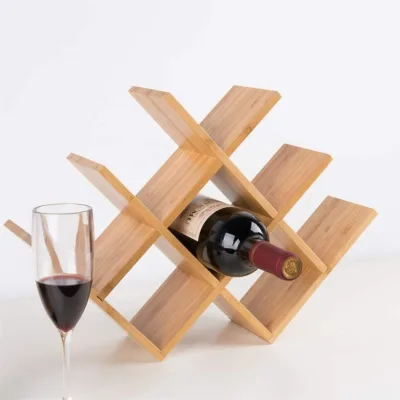




Comprehensive Sourcing Guide
Portable 3 Tier Wooden Wine Rack Sourcing Guide
Sourcing a portable 3-tier wooden wine rack requires a careful balance between aesthetic appeal, structural integrity, and logistical efficiency. These units are frequently utilized in party settings, retail displays, or home storage, where the ability to hold multiple bottles securely while remaining lightweight is paramount. Buyers must navigate a market where "wood" is a broad category, encompassing materials like oak, pine, and metal-composite hybrids, each offering distinct advantages in terms of durability, weight, and cost. The observed market signals indicate a high prevalence of customized options, allowing businesses to tailor dimensions, branding, and finishes to specific brand identities or spatial constraints.
The procurement process is further complicated by the diversity of product listings, which often mix attributes from different product types. For instance, while some listings emphasize contemporary design and natural wood tones, others highlight modern, black-finished metal racks or floral patterns. This variance suggests that buyers must rigorously verify the actual material composition and construction method of the specific SKU they intend to purchase. A true wooden wine rack must be distinguished from metal or mixed-material alternatives, particularly when evaluating portability features such as foldability or disassembly capabilities, which significantly impact shipping costs and on-site usability.
Product Scope and Observed Listing Signals
The current market landscape for portable wine racks reveals a wide spectrum of design styles and material compositions. Observed listings include products described as "Contemporary" and "Modern," with finishes ranging from natural wood tones to black and brown. Some items are explicitly identified as being made from oak or pine, while others list "Metal" as the primary material, indicating that the search term may yield mixed results. Buyers should note that "Customized Size" and "Customized Logo" are common attributes, suggesting that many suppliers offer OEM services. This flexibility is crucial for B2B buyers looking to create branded merchandise or custom storage solutions for events, but it also necessitates clear communication of exact specifications to avoid receiving non-conforming goods.
Portability is a key functional requirement, with many listings highlighting features such as "Folded," "Unfolded," "Disassembly," and "Portable" capabilities. However, the data also shows products labeled as "Used" or having specific model numbers like "BH-CT-26011209" and "DS-3049," which may indicate second-hand inventory or specific manufacturer lines. The presence of "Export Standard Carton" and "Cardboard Packaging" suggests that most suppliers are equipped for international shipping, but the single package sizes vary significantly, from compact dimensions like 28x25x42 cm to larger boxes measuring 72x32x19 cm. This variation directly impacts freight costs and storage requirements, making it essential for buyers to calculate the volumetric weight of the final packaged product before placing orders.
Technical Specifications to Verify
When evaluating technical specifications, the primary focus should be on the material composition and structural design. Buyers must confirm whether the rack is constructed from solid wood, engineered wood, or a combination of wood and metal. For example, some listings specify "Oak" or "Pine" wood materials, while others list "Metal" as the material, which may refer to structural supports or decorative elements. It is critical to verify the "Bottle Capacity," as some racks are designed for single bottles, while others, such as the "30 Bottles Stackable Wine Rack," are built for high-volume storage. The "Type" of rack, whether it is a "Rack," "Bucket," or "Holder," also influences its functionality and suitability for specific use cases, such as wine cooling versus dry storage.
Dimensions and weight are equally important factors that affect both usability and logistics. The "Single Gross Weight" of listed items ranges from 1.5 kg to heavier configurations, which impacts the ease of portability for end-users. Buyers should request detailed dimensional data for both the assembled and disassembled states, as many portable racks are designed to be folded or taken apart for storage and shipping. The "Model Number" and "Product Name" should be cross-referenced with physical samples to ensure that the product matches the advertised specifications. Additionally, the "Design Style" and "Color" options should be verified against physical samples, as digital images may not accurately represent the final product's finish or grain pattern.
Compliance and Safety Documentation
Compliance and safety documentation are critical for ensuring that the wine racks meet international standards and regulatory requirements. Buyers should verify that suppliers provide relevant certifications, such as CIQ and CE/EU marks, which indicate adherence to specific quality and safety standards. These certifications are particularly important for products intended for sale in regulated markets, where failure to comply can result in customs delays or product recalls. It is also essential to confirm that the wood materials used are treated and finished with non-toxic, food-safe coatings, especially if the racks are intended for use in environments where they may come into contact with wine bottles or other consumables.
In addition to product-specific certifications, buyers should inquire about the supplier's adherence to export standards and packaging requirements. The "Export Standards" and "Export Standard Carton" mentioned in some listings suggest that suppliers are familiar with international shipping protocols, but buyers should still request detailed packaging specifications to ensure that the products are protected during transit. This includes verifying the use of appropriate cushioning, corner protectors, and moisture-resistant materials to prevent damage during shipping. Furthermore, buyers should ensure that the supplier provides a certificate of origin and any other necessary documentation for customs clearance, particularly if the products are being imported from regions like Shandong or Guangdong in China.
Cost Drivers and Commercial Terms
Several factors influence the cost of portable 3-tier wooden wine racks, with material quality, customization, and order volume being the primary drivers. High-quality woods like oak are generally more expensive than pine or engineered wood, and custom finishes or logos add to the production cost. Buyers should also consider the impact of packaging and shipping on the total landed cost, as larger or heavier packages will incur higher freight charges. The observed price range of $2 to $251 USD reflects the wide variation in product quality, size, and customization options, making it essential for buyers to define their budget and requirements clearly before engaging with suppliers.
Commercial terms, including MOQ (Minimum Order Quantity) and lead times, also play a significant role in the procurement process. The observed MOQ range of 1 to 1000 units suggests that some suppliers are willing to accommodate small trial orders, while others require larger volumes to justify production runs. Buyers should negotiate clear terms regarding payment methods, shipping responsibilities, and return policies to mitigate financial risk. It is also advisable to request a detailed quotation that breaks down the costs of materials, labor, packaging, and shipping, allowing for a more accurate comparison between different suppliers. Understanding these cost drivers will help buyers make informed decisions and secure the best value for their procurement needs.
Supplier Qualification and Quality Control
Supplier qualification is a critical step in ensuring the reliability and consistency of the products received. Buyers should conduct thorough due diligence on potential suppliers, verifying their business licenses, production capabilities, and quality control processes. Suppliers with extensive experience, such as those claiming "25 years Experience," may offer greater stability and expertise, but buyers should still request references or case studies to validate their claims. It is also important to assess the supplier's ability to meet customization requirements, including logo printing, color matching, and dimensional accuracy, as these factors can significantly impact the final product's quality and marketability.
Quality control measures should be implemented throughout the production process to ensure that the products meet the agreed-upon specifications. Buyers should request pre-production samples for approval and conduct random inspections during production to identify and address any issues early. Final inspections should be performed before shipment to verify that the products are free from defects, such as cracks, splinters, or loose joints, and that they are properly packaged for transit. Establishing a clear quality assurance protocol with the supplier will help minimize the risk of receiving substandard products and ensure that the buyer's brand reputation is protected.
Long-Term Procurement Checks
Long-term procurement success depends on establishing a sustainable relationship with suppliers and continuously monitoring product performance. Buyers should regularly review supplier performance metrics, such as on-time delivery rates, product quality consistency, and responsiveness to issues, to identify potential problems early. It is also important to stay informed about changes in market trends, material costs, and regulatory requirements that may impact the sourcing strategy. By maintaining open communication with suppliers and fostering a collaborative partnership, buyers can ensure a steady supply of high-quality portable wine racks that meet their evolving business needs.
Finally, buyers should consider the environmental and social impact of their sourcing decisions, as these factors are increasingly important to consumers and regulators. Suppliers who adhere to sustainable forestry practices and ethical labor standards can help buyers enhance their brand image and comply with corporate social responsibility goals. By prioritizing suppliers with strong sustainability credentials, buyers can contribute to a more responsible supply chain while securing the long-term availability of portable 3-tier wooden wine racks. This holistic approach to procurement will not only drive business success but also support broader societal and environmental objectives.
FAQs
What material is used for the portable wine rack?
The product is constructed from wood, specifically oak or pine depending on the specific model. This natural material provides durability while maintaining a contemporary or modern design style suitable for various occasions.
Can the wine rack be customized for specific needs?
Yes, customization is available for this product line. Buyers can request customized sizes, logos, and capacities to meet specific requirements, ensuring the final item fits their unique storage or branding needs perfectly.
Which certifications do the manufacturers hold?
Manufacturers of these racks hold CIQ and CE EU certifications. These standards ensure the products meet specific safety and quality requirements, providing assurance for buyers importing goods from China to international markets.
How is the product packaged for shipping?
Items are packed in export standard cartons or cardboard packaging to ensure safe transit. The single package size varies by model, with dimensions like 28x25x42 cm or 72x32x19 cm recorded for specific units.
What is the origin location of these wine racks?
The products originate from China, specifically from regions like Shandong and Guangdong Dongguan. This location data helps buyers identify the supply chain source and estimate potential logistics costs for international orders.
Can the rack be disassembled for easier transport?
Yes, certain models feature a disassembly function to facilitate compact storage and shipping. This practical design allows the rack to be unfolded when needed, offering flexibility for portable use in various settings.